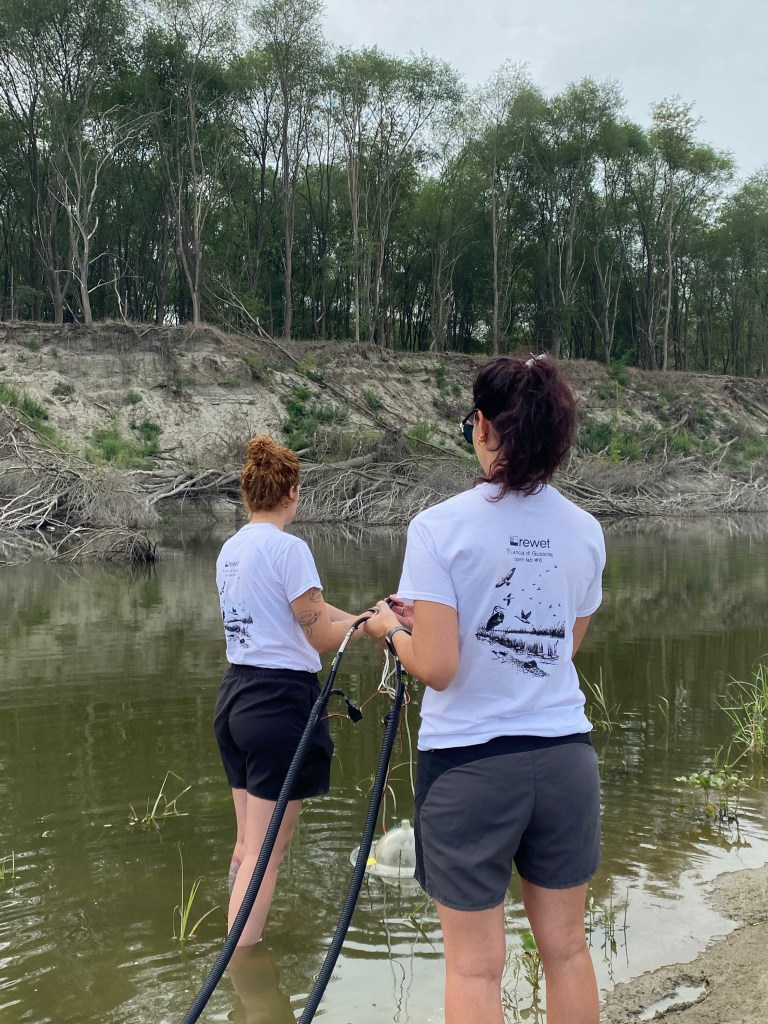
In these years I am employed in the REWET project Funded by the European Union. It focuses on the restoration of freshwater wetlands, peatlands and floodplains located in the Netherlands, Austria, Finland, Estonia, Belgium, Italy and Portugal. You can have a look on the official website:
The University of Parma, together with the Authority of the Po River, is responsible for Open Lab number 6 (https://www.rewet-he.eu/open-labs/ol6-italy): the oxbow lake in Gussola (Cremona), an area that underwent ecological restoration at the beginning of 2023 due to the lowering of the navigation groin. After this intervention, the Po River enters the oxbow lake with a river discharge of around 1,500 m3 s-1. The flooding of this area has several implications for the physico-chemical characteristics of the water, the biodiversity, and the emissions of greenhouse gases. UniPR, in this project, has the role of measuring the fluxes of greenhouse gases such as carbon dioxide, methane, and nitrous oxide at the water-atmosphere interface and at the soil-atmosphere in OL#6.


Samplings at the OL#6 are carried out in the oxbow lake and in the Po River in conditions of drought or floods.
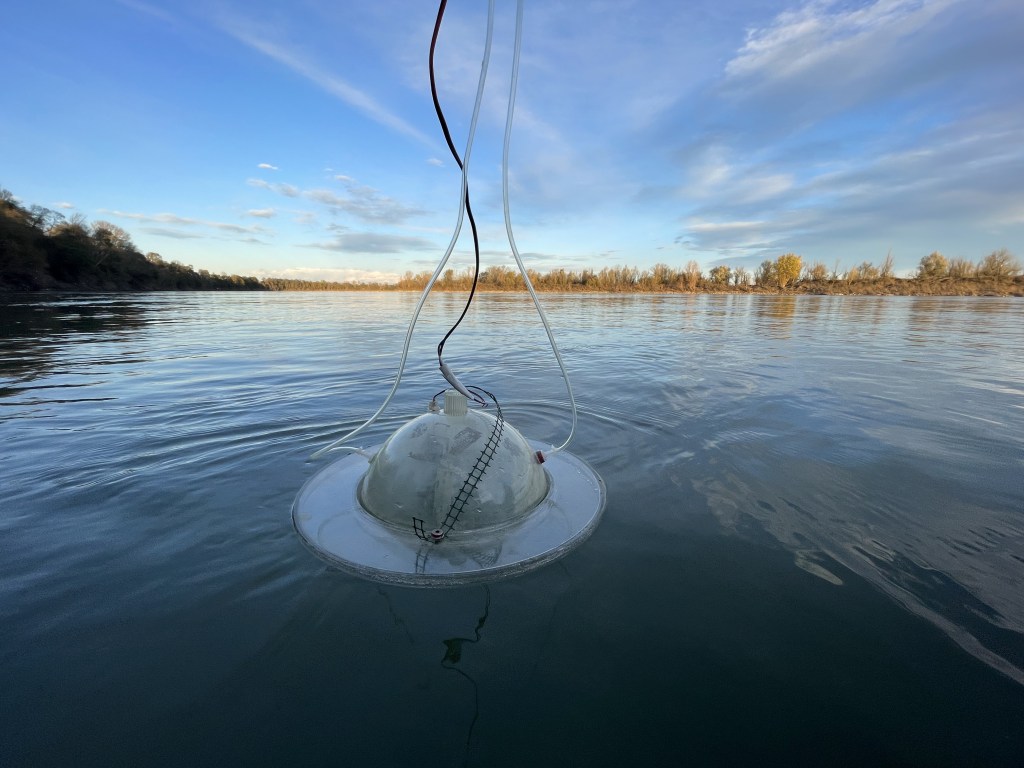
Measurement of GHG fluxes
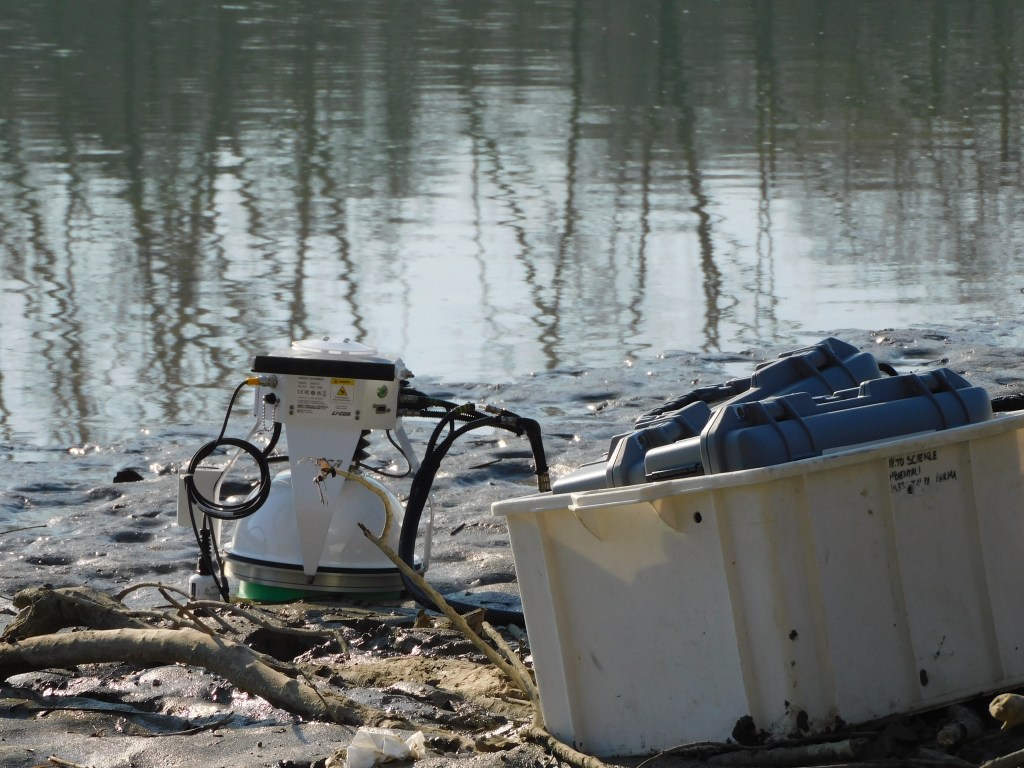
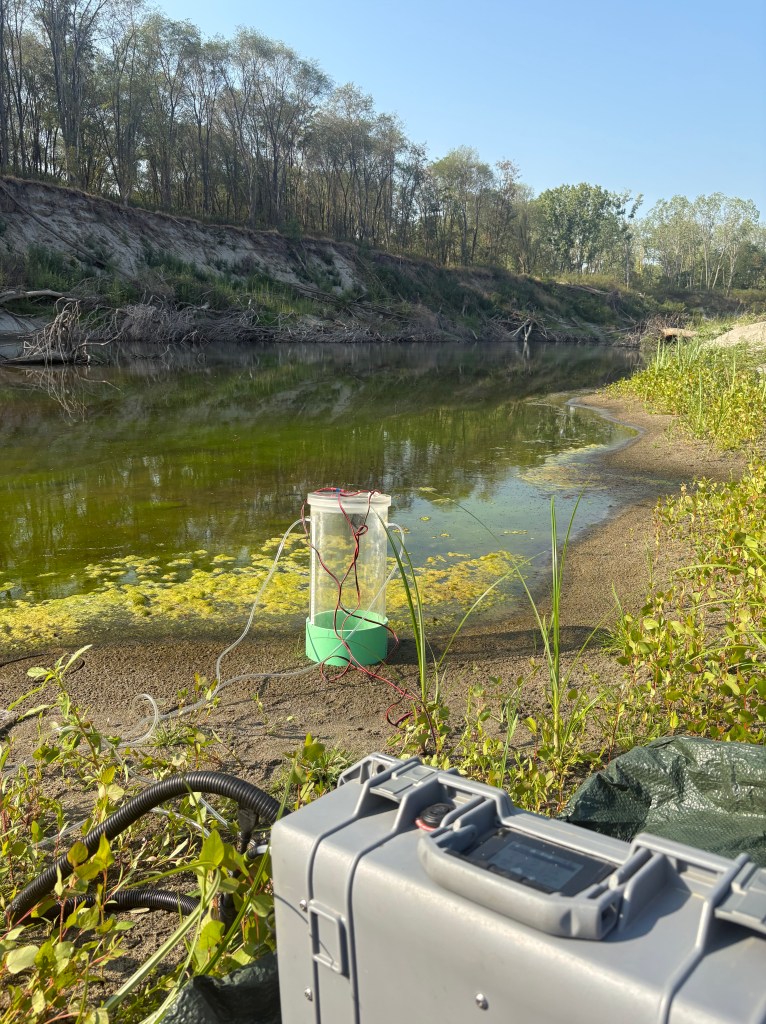
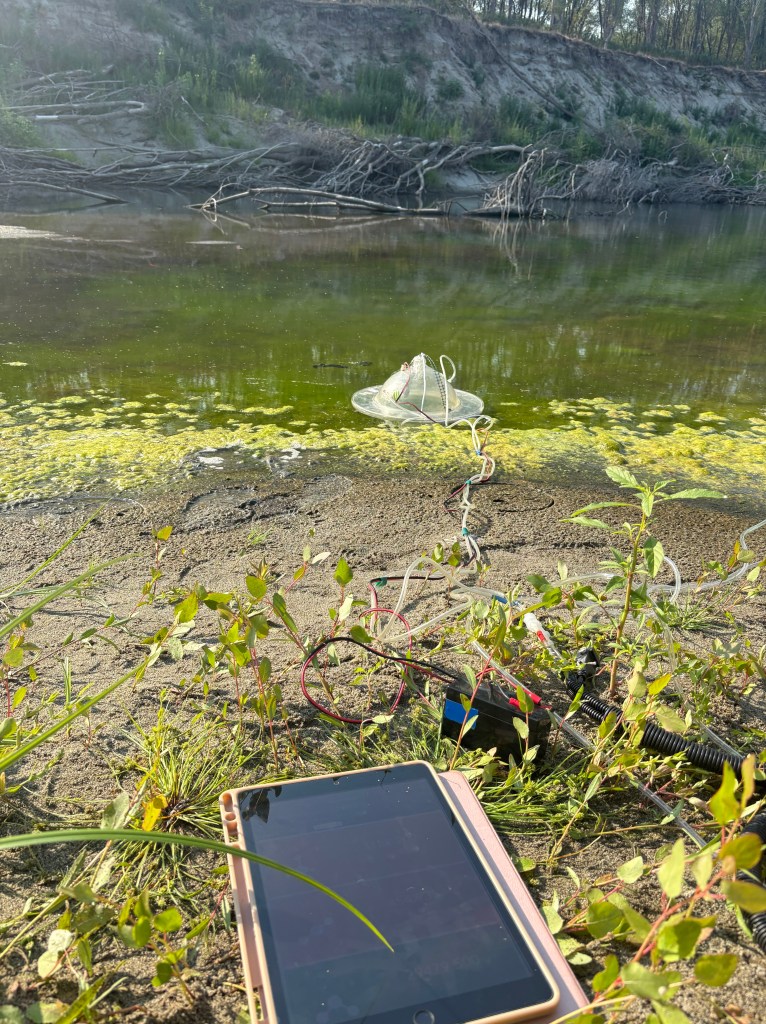
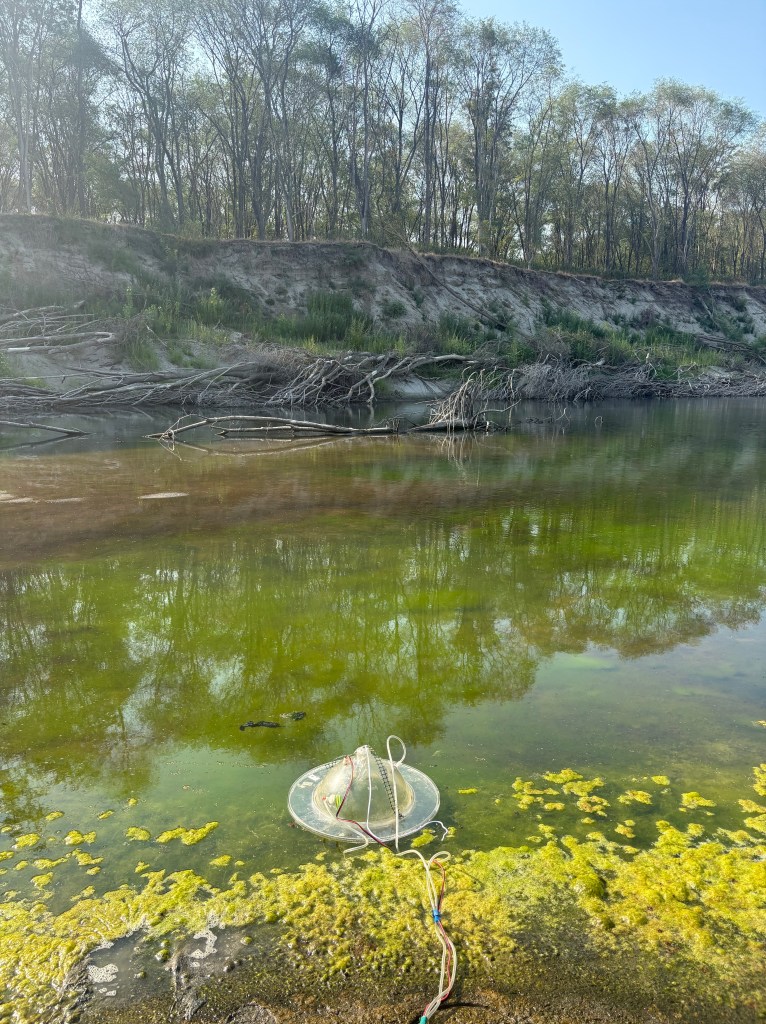
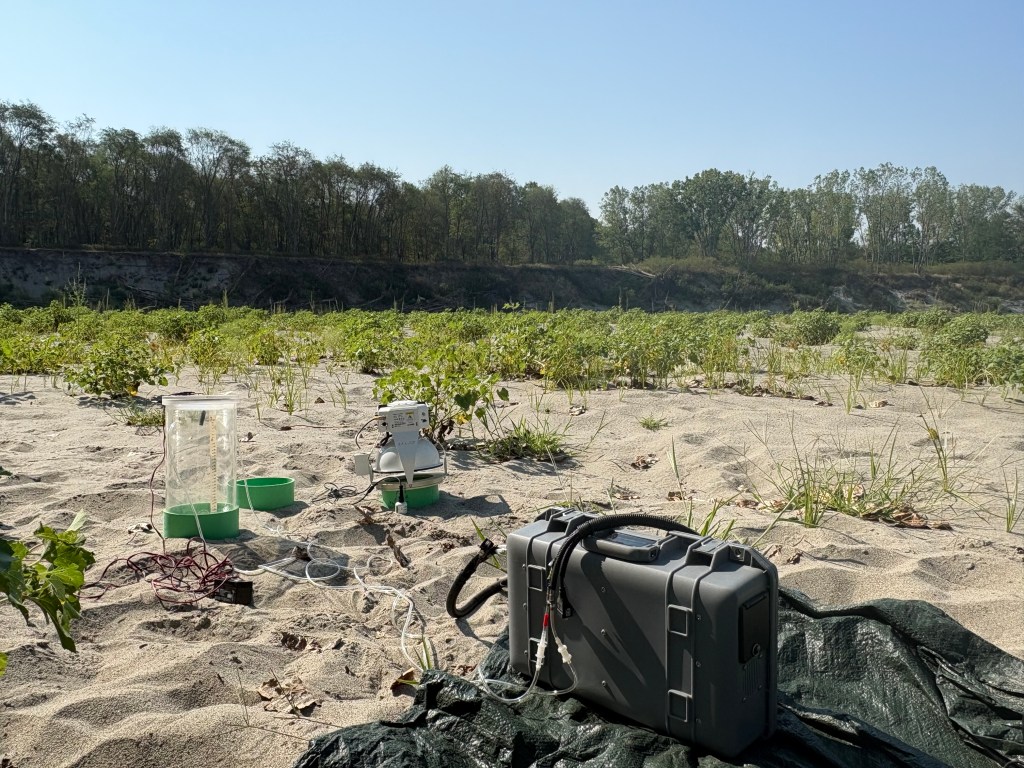
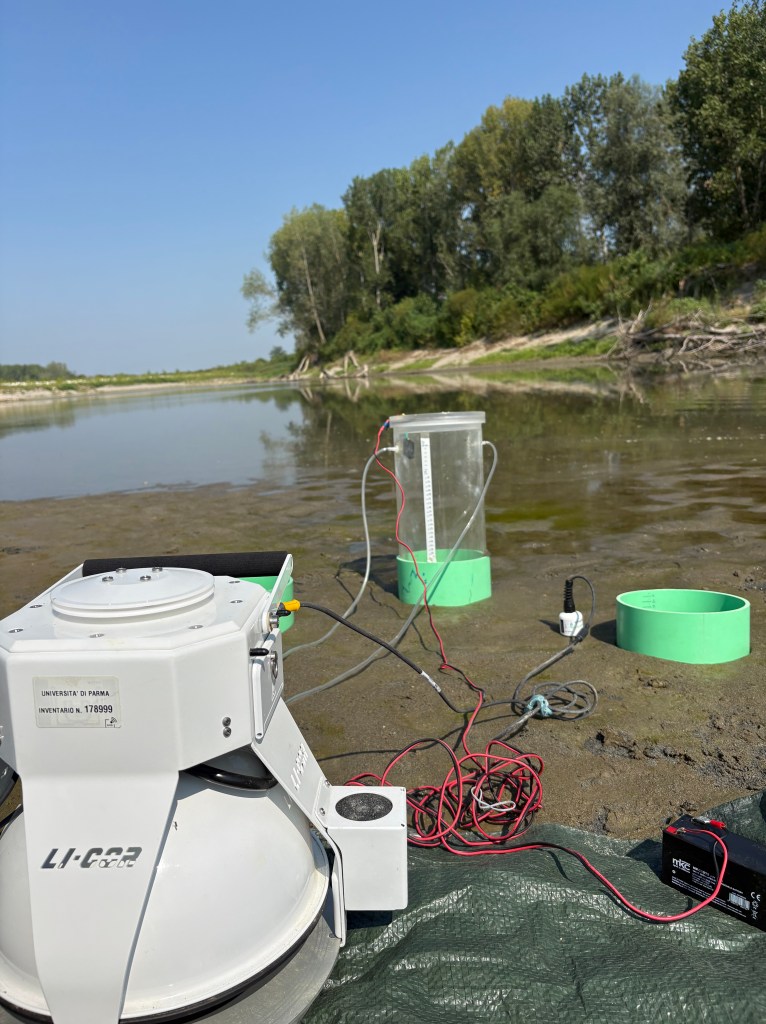
By using a floating chamber connected to the trace gas analyzer we measure fluxes of CO2, CH4 and N2O at the water-atmosphere interface at every sampling point.
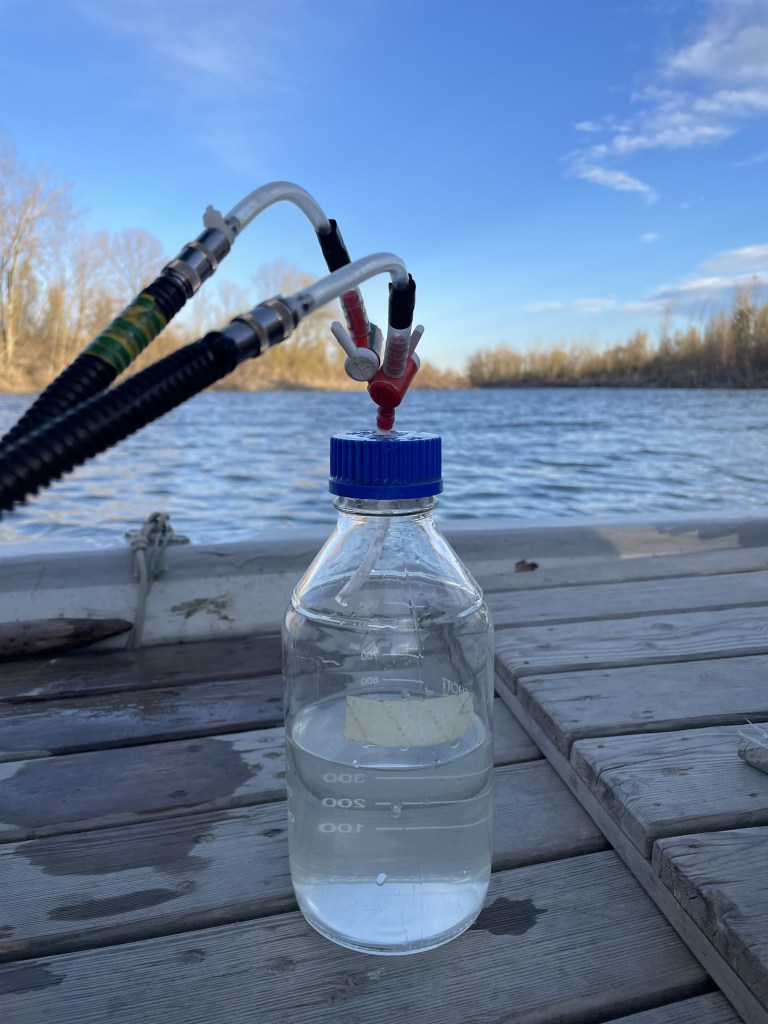
Measurement of GHG saturation
At each sampling point the gas saturation is measured in order to evaluate if the water is GHG over- or under-saturated.

Measurement of water nutrients and chlorophyll
By filtrating a certain amount of water, we measure dissolved inorganic nitrogen forms and the chlorophyll a, a proxy of the phytoplankton concentration in the water.

The trace gas analyzers to measure the GHG at the water-atmosphere interface record a value of CO2, CH4 and N2O every second and this allows to perform many measurements in a short-time period.
The intermittent flooding of the oxbow lake has created numerous environments where we measure gas emissions along a water saturation gradient in different seasons.
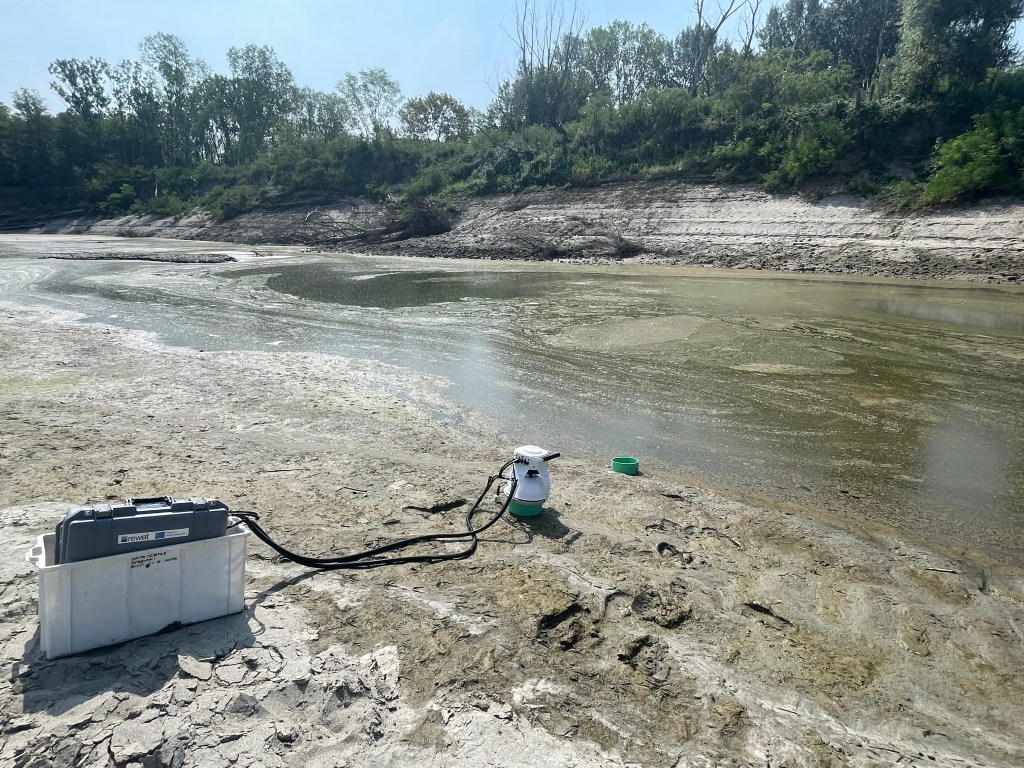
This measurement allows for evaluating the sink or source role of soil for greenhouse gas emissions.
Summer 2024
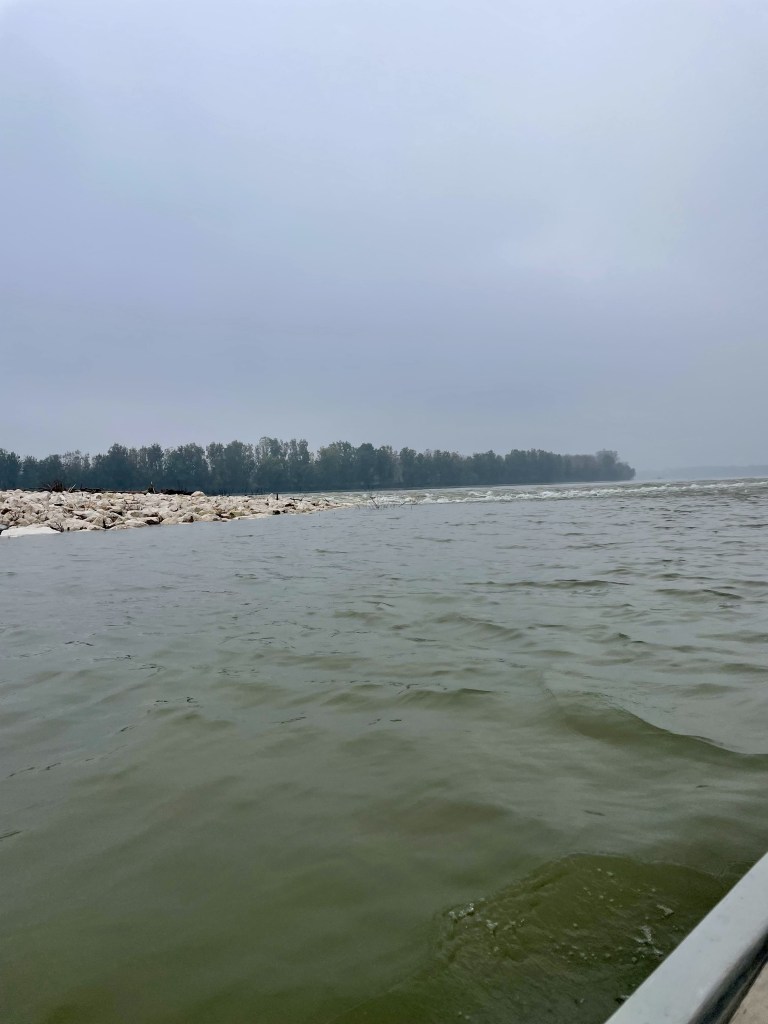
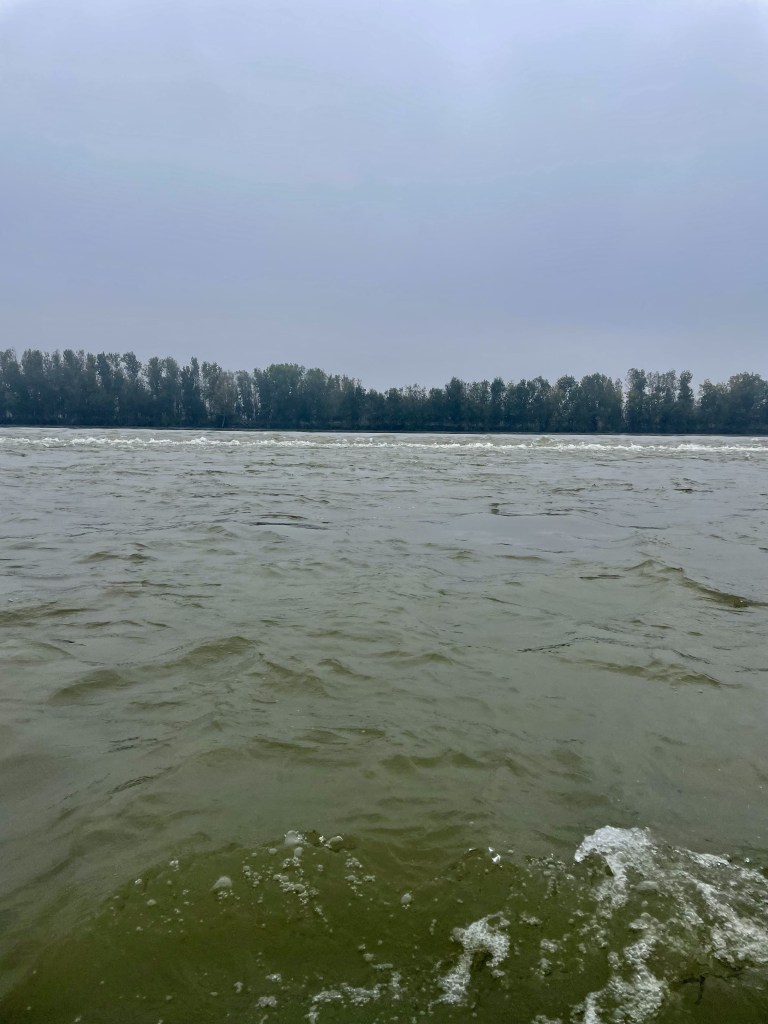
In October 2024, the Po River experienced an exceptional flooding event that significantly impacted the surrounding environment. The floodwaters overflowed into the adjacent oxbow lake, drastically reshaping its morphology and altering its ecological conditions. We carried out our sampling activities while the water level was gradually receding. Despite the decrease, the connection between the oxbow lake and the river was still intact, creating a dynamic exchange of water and potentially influencing the biological and physical characteristics of the area. This unique situation provided an opportunity to observe and analyze the effects of the flood in real time.

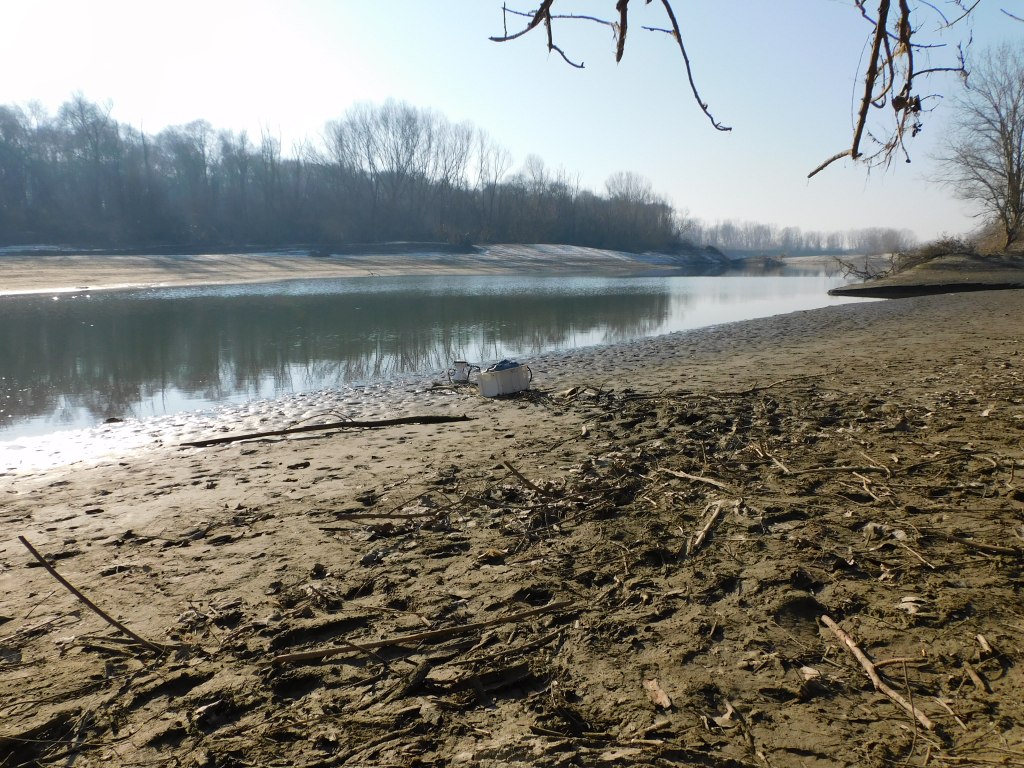
Winter 2024/2025 was particularly dry, with very little precipitation. The oxbow lake was disconnected from the Po River for many months, leading to very high greenhouse gas fluxes due to the loss of hydrological connectivity. The water remained mostly stagnant — a condition more typical of summer.
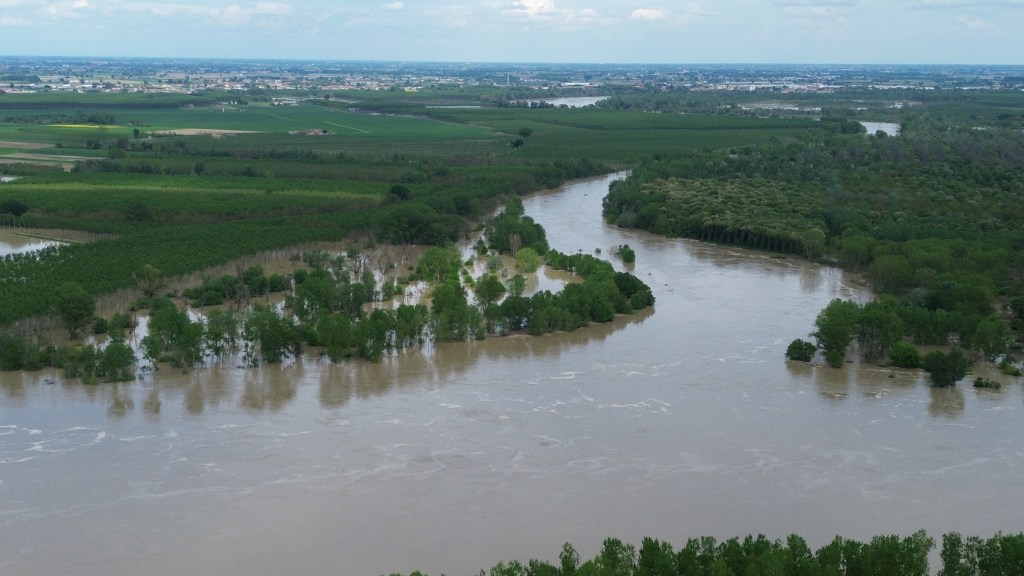
Intense rainfall occurred in April 2025, when the largest flood of the last ten years took place: the discharge of the Po River reached almost 8,000 m3 s-1. This event brought “new,” oxygenated water into the stagnant environments of the oxbow lake, temporarily lowering greenhouse gas emissions. However, it also flooded all the surrounding areas.
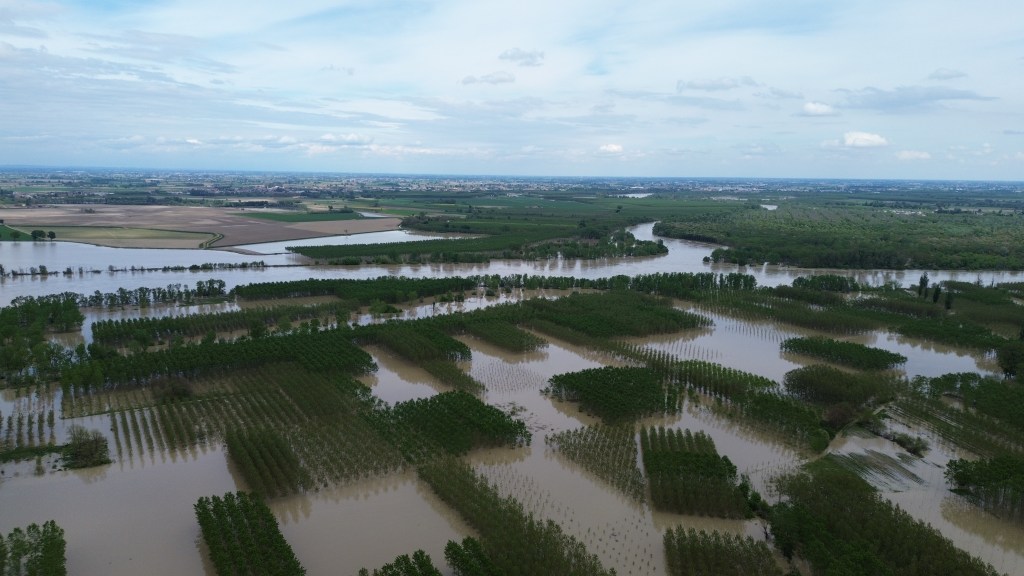
With the onset of summer, rainfall disappeared once again, and the oxbow lake became disconnected from the river for many months. This led to the formation of stagnant water pools, oxygen depletion at the bottom, and several episodes of fish mortality throughout the summer.
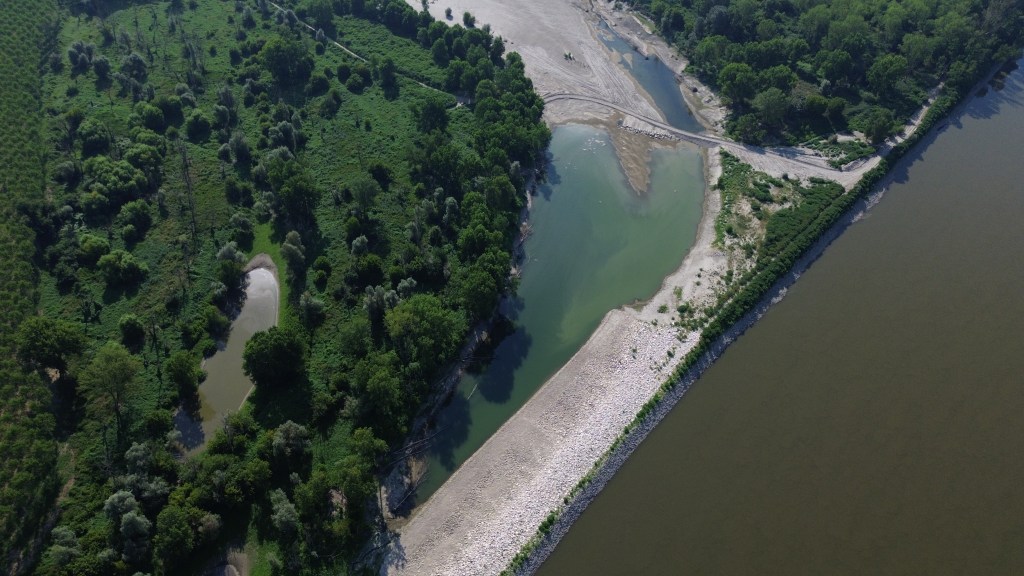
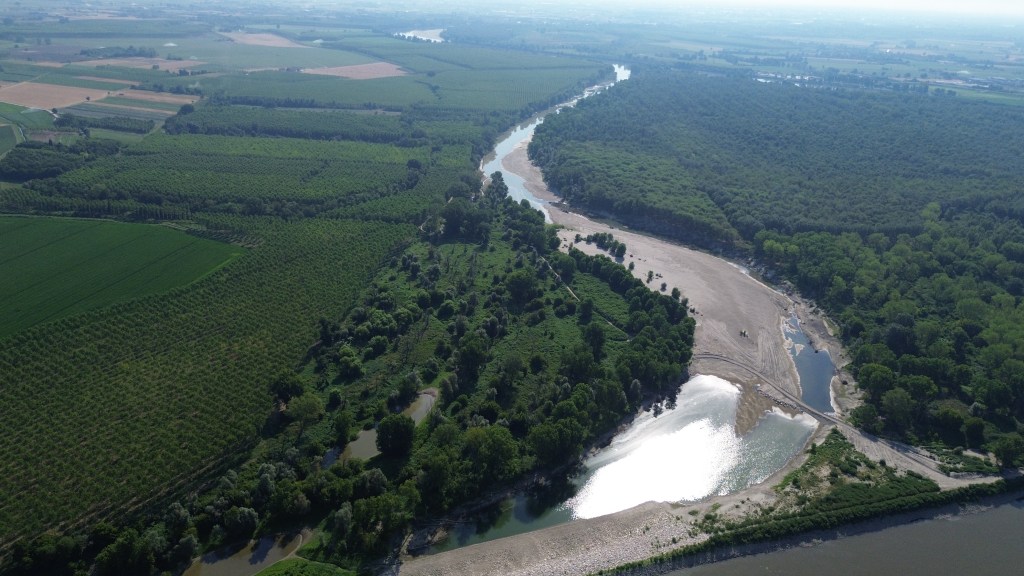
We continued monitoring the oxbow lake without using the boat, as the water level was too low to allow access — so the work was physically demanding! Despite the heat and effort, we kept measuring gas fluxes in the isolated pools.
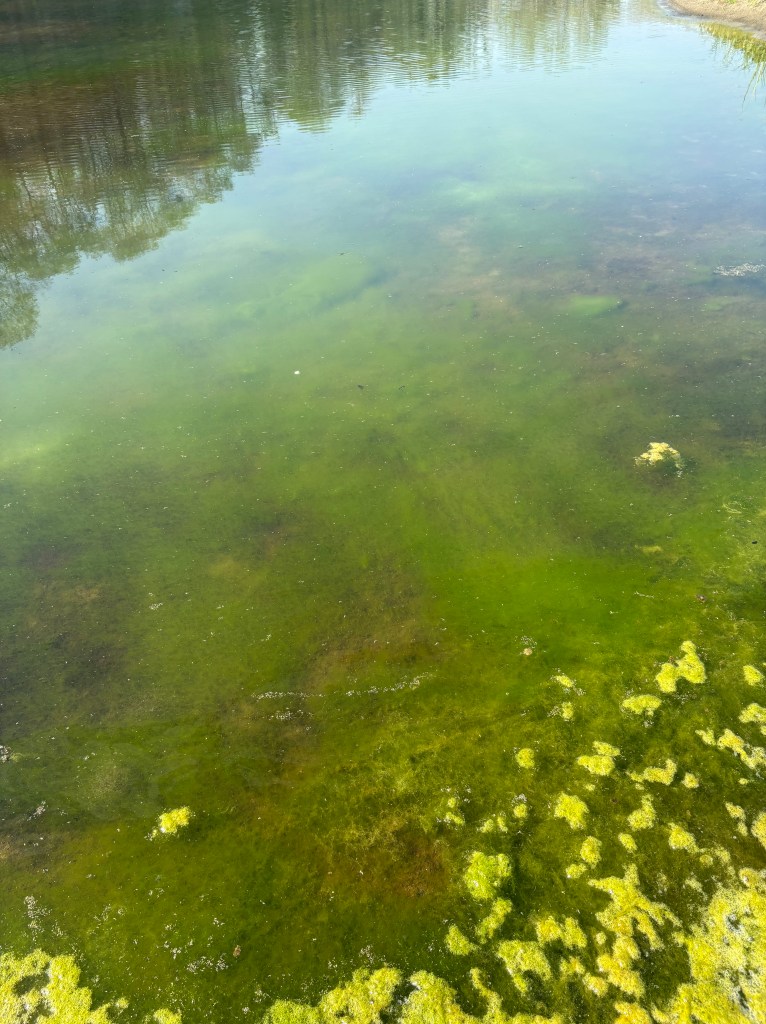
As expected, anaerobic metabolism dominated under stagnant conditions. Overall, gas fluxes remained relatively low because diffusive transport is a slow process. In some isolated pools, a carpet of microalgae developed, and during measurements in the light, we observed oxygen supersaturation due to photosynthesis.
High temperatures and the absence of water exchange completely transformed these environments, resulting in extremely high methane emissions and almost zero nitrous oxide emissions.
Po River hydrology in 2026
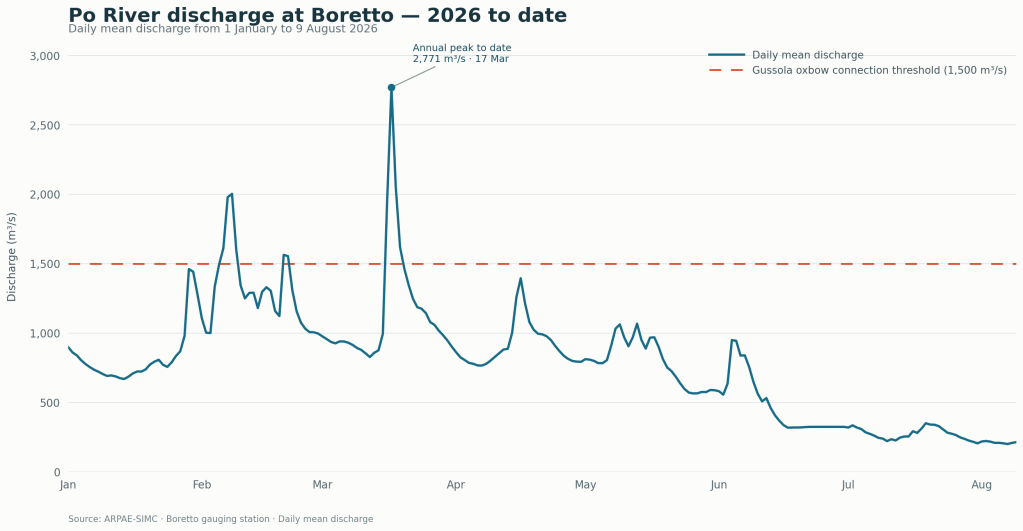
The hydrological pattern of the Po River at Boretto in 2026 was characterized by a marked seasonal contrast. Winter and early spring featured several high-flow events, followed by a progressive decline in discharge and persistent low-flow conditions during summer.
Between January and 9 August, the daily mean discharge exceeded 1,500 m³/s—the threshold at which the river flows over the navigation groyne and reconnects with the Gussola oxbow—for a total of ten days across three separate events. The largest event occurred in March, when discharge reached 2,771 m³/s.
From June onwards, river discharge decreased sharply, reaching approximately 200 m³/s in early August. This transition from short high-flow pulses to prolonged summer low flows illustrates the strong hydrological variability experienced by river–floodplain ecosystems during the year.
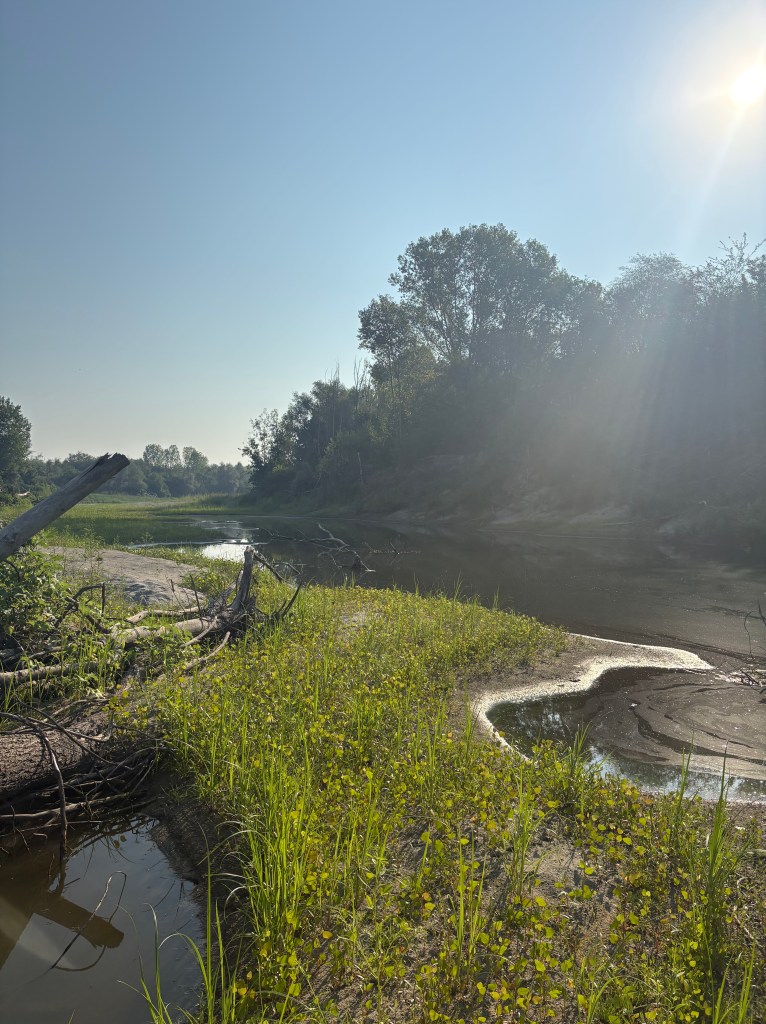
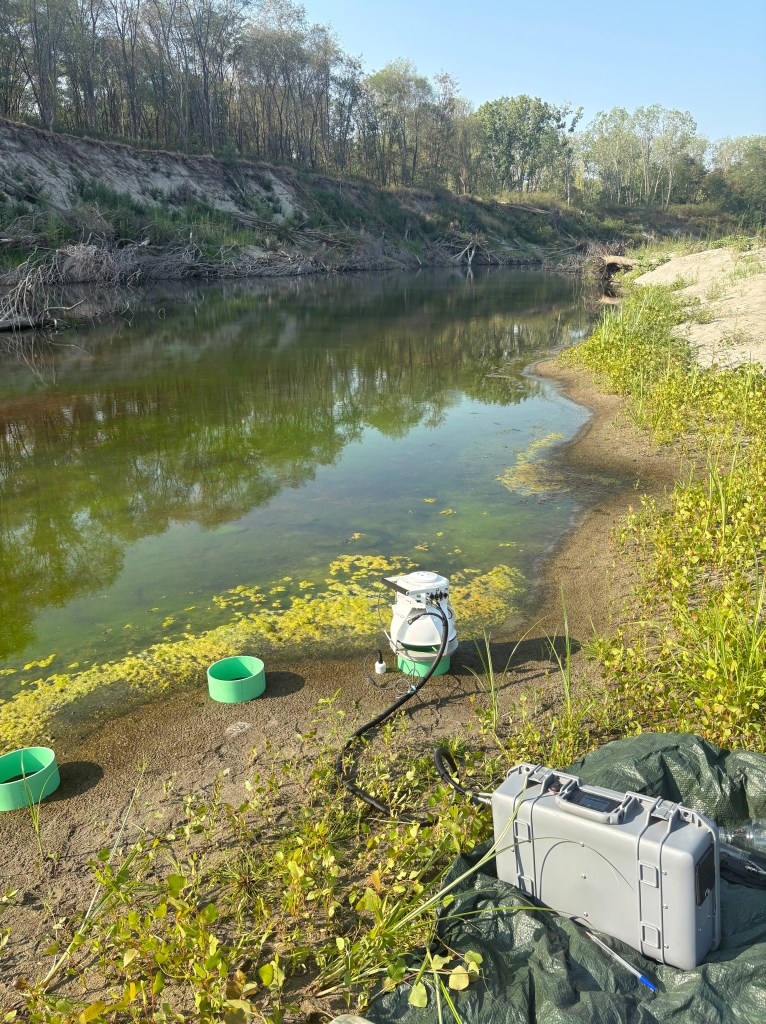
Some moments from our August 2026 sampling campaign at OL6, an oxbow lake connected to the Po River during high-flow events.
Even in the early morning, the water was exceptionally warm. We recorded low dissolved oxygen concentrations and high greenhouse gas emissions—clear signs of the intense biogeochemical activity occurring under these conditions.
The summer of 2026 was characterized by extremely low river discharge and prolonged isolation of the oxbow lake from the main river channel. Limited water renewal, high temperatures, and oxygen depletion created particularly harsh conditions for aquatic life. Sampling during this extreme season offered a valuable opportunity to observe how river–floodplain ecosystems respond to the combined effects of low flows and climatic extremes.

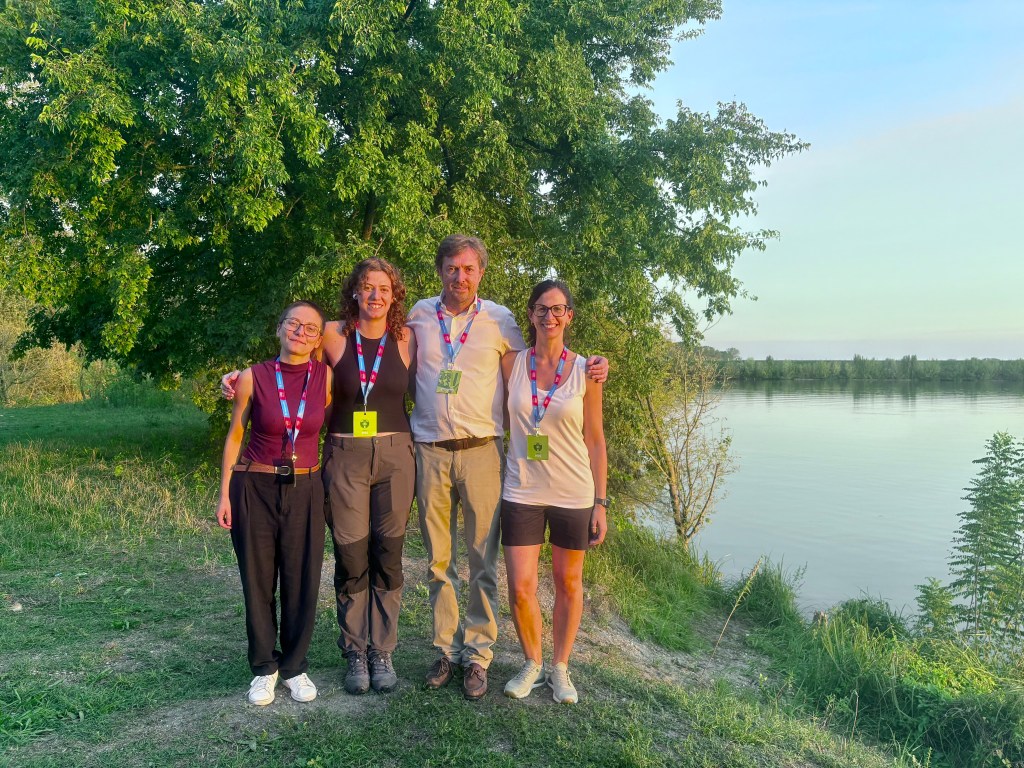
the OL6 team